
Home / Strategic Bed Capacity Assessment
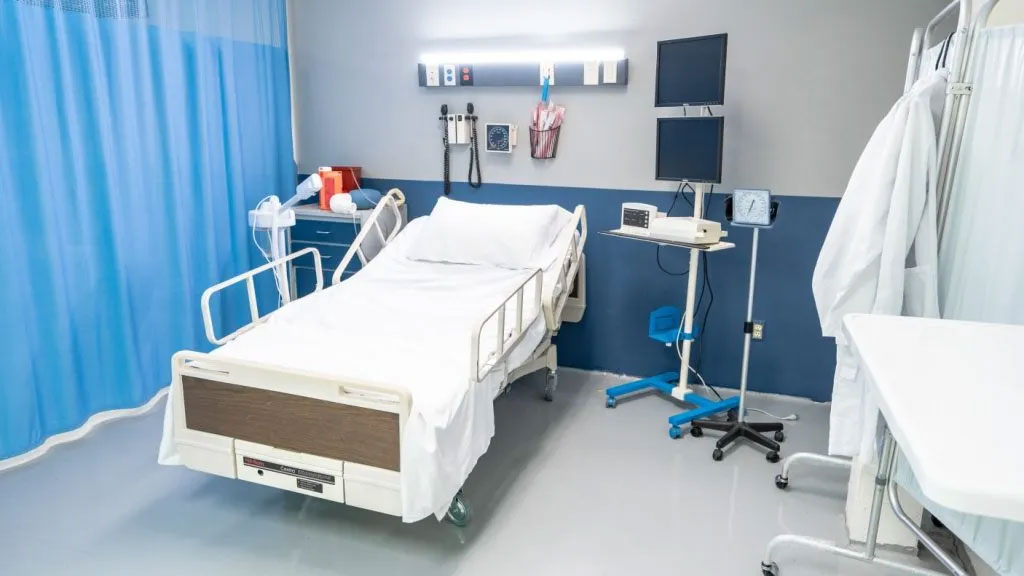
Hospital Expansion & Bed Capacity Enhancement Planning focuses on systematically increasing a healthcare facility’s capacity while maintaining operational efficiency, clinical quality, and regulatory compliance. Our approach ensures that hospitals can meet rising patient demand, introduce new specialties, and future-proof their infrastructure without disrupting ongoing services.
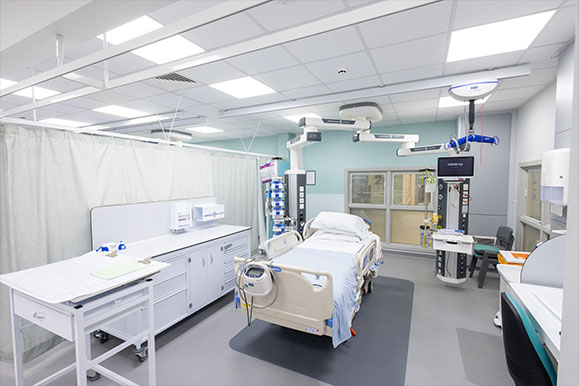
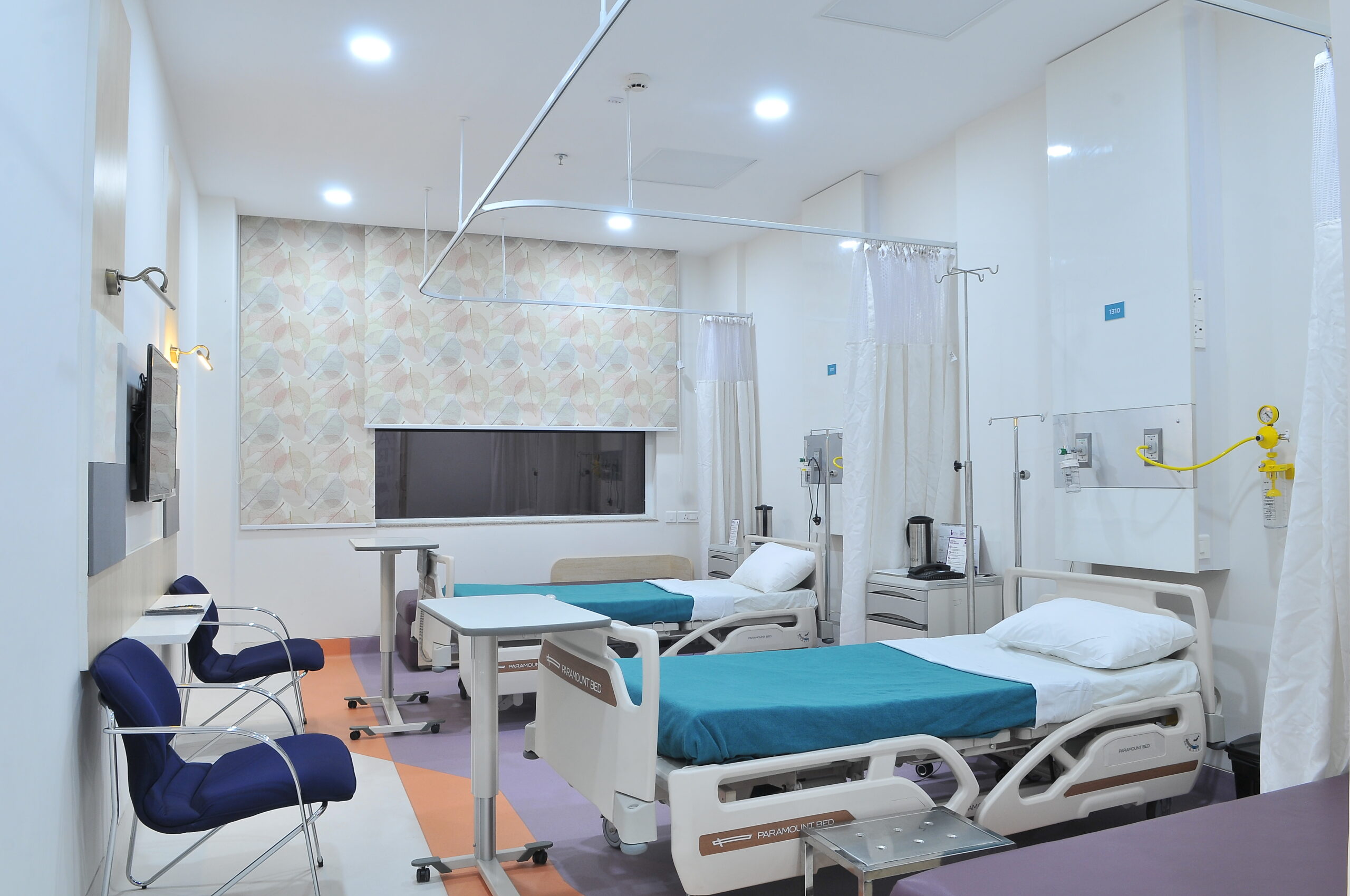
We begin with a detailed analysis of existing bed occupancy rates, patient flow, length of stay, specialty-wise demand, and referral patterns. This data-driven assessment helps determine the optimal number and type of additional beds—general wards, semi-private, private, ICU, HDU, NICU, or isolation beds—aligned with clinical and business goals.
Expansion is planned in phases to minimize service disruption and financial strain. Phased development allows hospitals to add beds, departments, or floors in a structured manner, ensuring continuity of care while supporting gradual growth and revenue optimization.
Our team evaluates current layouts to identify underutilized or convertible areas. Through intelligent space reconfiguration, vertical or horizontal expansion, and modular planning, we maximize bed capacity without compromising circulation, infection control, or patient comfort.
Bed expansion is aligned with corresponding upgrades in diagnostics, operation theatres, emergency services, CSSD, pharmacy, and support areas. We ensure seamless integration with MEP, HVAC, medical gas pipeline systems (MGPS), fire safety, and IT infrastructure to support higher patient loads.
All expansion plans comply with NABH, NBC, local development norms, fire safety regulations, and infection control guidelines. This ensures faster approvals, smooth licensing, and long-term operational sustainability.
We provide realistic CAPEX and OPEX projections, helping management evaluate ROI, funding strategies, and cost optimization options. Bed mix planning is aligned with the hospital’s target patient segments and payer mix.
Our expansion strategies incorporate flexibility for future growth, technological upgrades, and evolving healthcare models. Scalable designs ensure that today’s expansion does not limit tomorrow’s opportunities.
Successful hospital expansion is not limited to adding beds alone; it requires proportional strengthening of clinical support, non-clinical support, and back-end infrastructure. Our planning ensures that every additional bed is fully supported by efficient systems, workflows, and services to maintain quality care and operational stability.
We evaluate nurse-to-bed ratios, nursing station distribution, and staff circulation paths. Optimized nursing unit layouts improve visibility, response time, and patient safety, while supporting higher patient volumes without increasing staff fatigue.
Bed expansion directly impacts surgical and procedural load. We assess and upgrade CSSD capacity, workflows, and equipment to handle increased instrument volume while maintaining infection control and turnaround times.
Support services such as housekeeping, biomedical waste management, and linen & laundry are recalibrated to match enhanced bed strength. Proper zoning, dirty-clean movement segregation, and storage planning help maintain hygiene standards and regulatory compliance.
We evaluate central and sub-store capacities for medical consumables, drugs, and equipment. Improved materials flow reduces stock-outs, supports higher patient turnover, and enhances supply chain efficiency.
Bed expansion is supported by scalable Hospital Information Systems (HIS), nurse call systems, patient monitoring integration, and data network upgrades. This enables real-time bed management, billing accuracy, and clinical documentation.
All support services are planned with infection prevention in mind—separate clean/dirty pathways, isolation readiness, hand hygiene infrastructure, and air quality management—to ensure patient and staff safety during and after expansion.
-->Higher bed capacity increases footfall. We plan supporting infrastructure such as:
-->Patient & visitor waiting areas
-->Parking expansion and ambulance bays
-->Vertical and horizontal circulation (lifts, ramps, corridors)
-->Security and access control systems
-->Expansion planning includes strengthening of essential utilities:
-->Electrical load assessment and backup power systems (DG, UPS)
-->HVAC capacity enhancement for wards, ICUs, and isolation areas
-->Medical Gas Pipeline System (MGPS) upgrades
-->Water supply, RO systems, and sewage treatment capacity
These systems are designed with redundancy to ensure uninterrupted patient care.
In case of any construction-related emergency or urgent site requirement, our support team is just a call away. We provide 24/7 emergency response to ensure your project runs safely and smoothly.
For urgent assistance or immediate support, call our emergency helpline anytime. Our team is available to respond quickly and ensure your safety.
Our head office is located in a prime commercial area, easily accessible for clients and partners. You can visit us at our central workspace where our team is always ready to assist you with any construction-related queries. experience.
 Healthcare & Clinic